How to Improve HVAC Airflow in Your Home
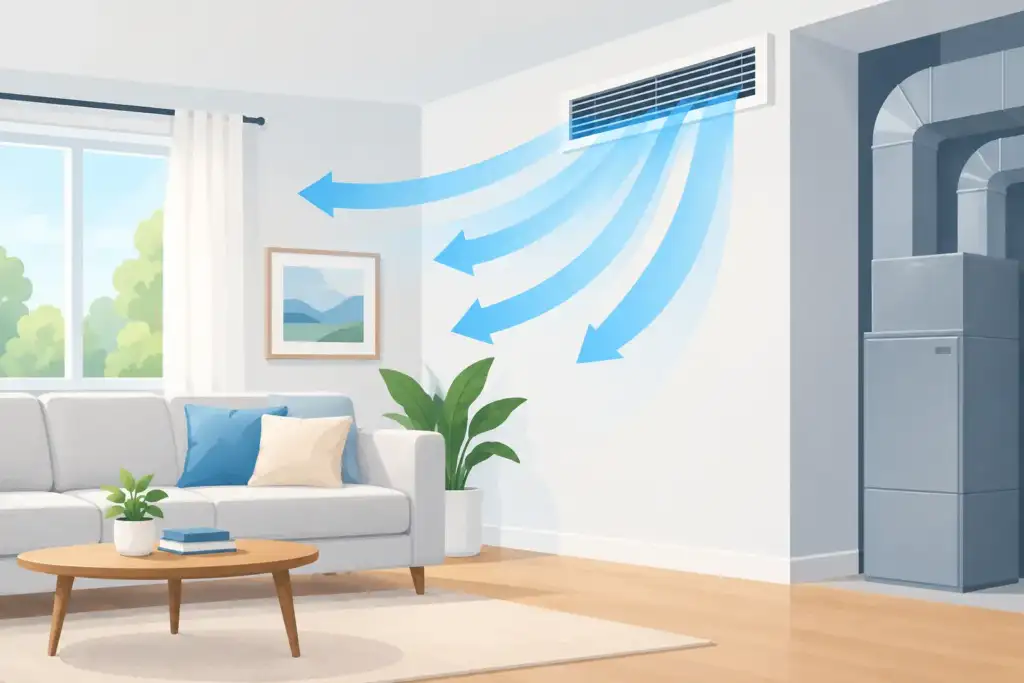
A room that stays stuffy while the rest of the house feels comfortable is more than a minor annoyance. Weak airflow can leave your HVAC system running longer, allow dust to circulate, and make it harder to keep every room at a comfortable temperature. Learning how to improve HVAC airflow starts with a few simple checks, then moves to professional service when the problem is inside the system.
Start With the Air Filter
A clogged air filter is one of the most common reasons for reduced airflow. As the filter fills with dust, pet hair, pollen, and household debris, your HVAC system has to work harder to pull air through it. That restriction can make supply vents feel weak and may contribute to higher energy use.
Check your filter every month, especially during heavy heating or cooling seasons. Most standard filters need replacement every one to three months, but the right schedule depends on the filter type, whether you have pets, and how much dust your home collects. Homes with allergy concerns may benefit from a higher-efficiency filter, but there is a trade-off: a very dense filter can restrict airflow if the system is not designed for it.
Use the filter size and airflow direction marked on your system. If you are unsure which filter is appropriate, an HVAC professional can help you choose one that supports cleaner air without putting unnecessary strain on the equipment.
Keep Supply and Return Vents Clear
Walk through the home and look at every supply register and return grille. Supply vents push conditioned air into rooms. Return vents pull air back to the HVAC system so it can be heated or cooled again. Both need open space to do their jobs.
Move furniture, rugs, curtains, storage bins, and other obstructions away from vents. A sofa placed directly over a return grille can limit airflow to the entire system, not just one room. Avoid closing most of the vents in unused rooms, too. It may seem like a way to direct more air elsewhere, but closing multiple vents can raise pressure in the ductwork and reduce overall system performance.
Vacuum visible dust from vent covers and return grilles. This will not clean the duct system itself, but it prevents surface buildup from being pulled farther into the system and helps air move more freely at the opening.
Check the Thermostat and Fan Setting
A thermostat setting can affect how consistently air circulates through your home. With the fan set to “Auto,” the blower runs only during heating or cooling cycles. With the fan set to “On,” the blower circulates air continuously, which can help even out temperatures between rooms.
Continuous fan operation uses more electricity and may make filter changes necessary more often. Still, it can be useful in a two-story home, a home with rooms that get little circulation, or a household trying to reduce stagnant air between cycles. Some newer thermostats also offer a circulation setting that runs the fan for a set number of minutes each hour.
If changing the fan setting does not make a noticeable difference, the issue may be related to a blocked return, a dirty blower component, leaky ducts, or an improperly sized system.
Look for Problems Around the Outdoor Unit
For central air conditioning and heat pump systems, the outdoor unit must release heat efficiently. Leaves, grass clippings, shrubs, and dirt around the condenser can reduce performance and indirectly affect comfort indoors.
Keep at least two feet of open space around the outdoor unit, and gently clear loose debris from the surrounding area. Do not spray the equipment with high pressure or take panels apart unless you are qualified to do so. The condenser coils and electrical components require careful handling.
If the outdoor unit is dirty, noisy, frequently cycling, or coated with buildup, schedule professional HVAC maintenance. A technician can safely clean the equipment, check refrigerant performance, and inspect components that affect airflow and cooling output.
Inspect Ductwork for Leaks and Restrictions
Your ductwork is the pathway that carries conditioned air through the home. When ducts are disconnected, crushed, poorly sealed, or damaged, air may escape before it reaches the rooms where it is needed. Duct leaks are especially common in attics, crawl spaces, basements, and utility areas.
Visible flexible ducts should be supported without sharp bends or kinks. A crushed section can significantly reduce airflow to a room. You may also notice signs of duct trouble when one area is consistently warmer or cooler, vents produce little air, or utility bills rise without a clear reason.
Minor gaps around accessible metal duct joints may be sealed with mastic or approved foil tape. Standard cloth-backed duct tape is not a long-term solution and often fails with age and temperature changes. For hidden ductwork or widespread comfort issues, a professional evaluation is the better choice. Proper repairs may involve sealing, reconnecting, resizing, or balancing parts of the system.
When Air Duct Cleaning Can Help Airflow
Air duct cleaning is not a replacement for HVAC repair, filter changes, or proper duct design. But when ducts contain heavy dust buildup, construction debris, pet hair, or visible material near registers and returns, cleaning can be part of improving system cleanliness and airflow.
This is particularly worth considering after a renovation, during a move into an older home, after pest activity has been addressed, or when large amounts of dust quickly return around vents. If registers show visible buildup and the system has not been maintained for years, a professional inspection can help determine whether cleaning is appropriate.
A thorough service should address accessible supply and return ducts, registers, and key HVAC components as appropriate. Ask for clear upfront pricing and before-and-after documentation so you can see the work completed. Delight Home Air Cleaning provides visual proof of cleaning results because homeowners deserve to know what has been removed from their ventilation system.
Do Not Ignore the Blower or Evaporator Coil
Some airflow restrictions are out of sight. The blower motor and blower wheel move air through the HVAC system, while the evaporator coil absorbs heat during air conditioning. Dust on either component can reduce airflow and efficiency.
These parts are usually inside the air handler or furnace cabinet and should be inspected and cleaned by a qualified HVAC technician. The same is true of a frozen evaporator coil. Ice on the coil can block airflow almost completely, but simply turning the system back on after it melts does not address the cause. Low refrigerant, a dirty filter, a dirty coil, or blower problems may be involved.
Call for service promptly if you hear unusual noises, notice ice, smell something burning, see water around the indoor unit, or feel a sudden major drop in airflow. Continuing to run a struggling system can turn a smaller maintenance issue into a more expensive repair.
Improve Airflow Room by Room
Not every airflow problem affects the whole house. If one bedroom is always uncomfortable, start by confirming that its register is open and unobstructed. Then compare its airflow with nearby rooms while the system is running. Weak air in one room can point to a damper setting, duct restriction, leak, or balancing issue.
Sun exposure also matters. A west-facing room with large windows may need more cooling even when airflow is normal. In that case, window coverings, weatherstripping, attic insulation, or a thermostat adjustment may help more than changing the ductwork. Older homes can have a combination of airflow and insulation problems, so the right solution depends on what is causing the discomfort.
For multi-level homes, keep interior doors open when practical and make sure return-air pathways are not blocked. Closed doors can trap air in bedrooms and make it harder for the system to circulate properly.
Build a Maintenance Routine That Protects Comfort
The most reliable way to improve HVAC airflow is to address small restrictions before they become major ones. Replace filters on schedule, keep vents open and clean, clear the area around the outdoor unit, and arrange seasonal HVAC maintenance. If your ducts, dryer vent, or ventilation system show signs of significant buildup, schedule a professional cleaning rather than relying on a surface-level fix.
A home should not have to choose between clean air and comfortable rooms. When airflow feels weak, acting early can help protect your equipment, reduce dust circulation, and make the spaces where your family lives and sleeps feel more consistently comfortable.