When to Book Chimney Cleaning Near Me in Fairfax
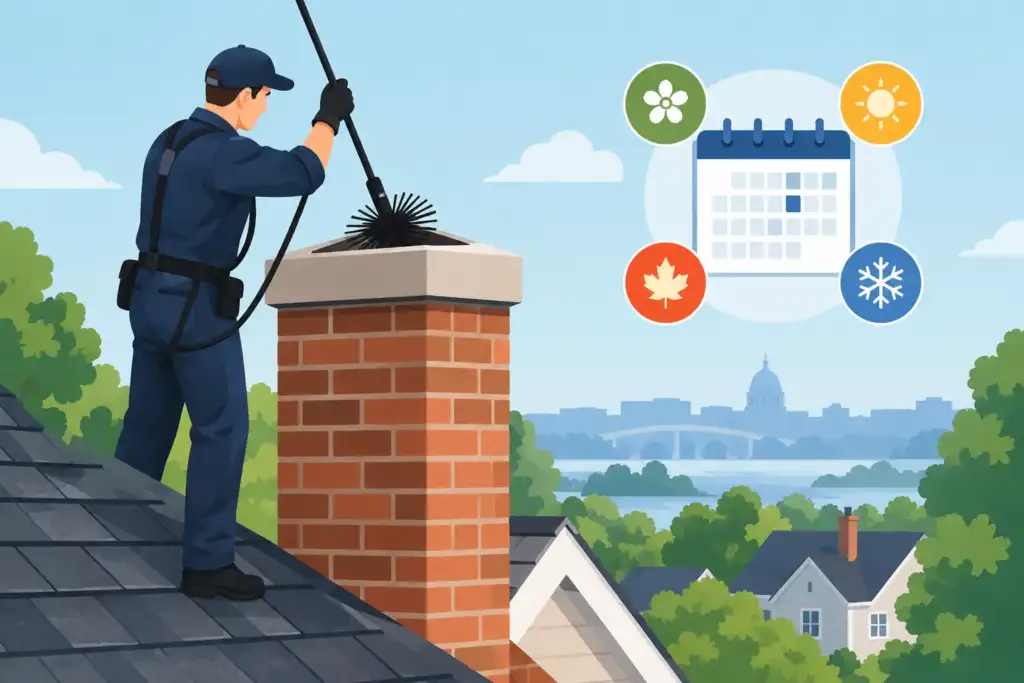
A fireplace can make a Fairfax home feel warmer and more comfortable, but the chimney behind it needs regular attention. If you are searching for chimney cleaning near me in Fairfax, the right time to schedule is usually before you depend on your fireplace for the season – not after smoke starts backing into the room or a strong odor appears.
Chimney cleaning is practical home maintenance. It helps remove soot, creosote, and debris that can restrict airflow, create unpleasant smells, and raise the risk of a chimney fire. A professional visit also gives you a clearer picture of the condition of a system that is mostly out of sight.
Why chimney cleaning matters for Fairfax homes
Every wood-burning fire leaves behind residue. Fine soot can collect along the flue, while creosote – a dark, sticky, or hardened byproduct of burning wood – can build up over time. Creosote is combustible, which is why it should not be ignored simply because the fireplace still seems to draw properly.
Northern Virginia weather can add another layer of concern. Rain, humidity, wind, falling leaves, and nesting animals can all affect an uncovered or poorly maintained chimney. A chimney cap helps keep out much of that material, but it does not replace a professional cleaning and inspection of the flue.
Regular service is especially worthwhile for homes with older fireplaces, households that burn wood frequently, or properties where the fireplace has not been used in several years. Even occasional use can leave residue behind, and a long period without use can allow debris or animal nesting material to accumulate.
Signs it is time to schedule chimney cleaning near me in Fairfax
The best schedule depends on how often you use your fireplace, the type of fuel you burn, and the condition of the chimney. Many homeowners choose an annual chimney inspection and cleaning as needed before the colder months arrive. However, waiting for a calendar reminder is not always the best approach.
Schedule service sooner if you notice any of these signs:
- A smoky, campfire-like odor coming from the fireplace when it is not in use
- Smoke entering the room when you light a fire or open the fireplace doors
- Black residue, flakes, or oily-looking buildup inside the firebox
- A weak draft, trouble starting a fire, or smoke that lingers indoors
- Debris falling into the firebox, signs of birds or animals, or a damaged chimney cap
A strong creosote odor can become more noticeable during humid weather. That does not necessarily mean there is an emergency, but it is a good reason to have the chimney checked rather than masking the smell with air fresheners.
If you suspect a chimney obstruction, visible damage, or a chimney fire has occurred, do not use the fireplace until a qualified professional has evaluated it. Continuing to burn wood can worsen a blockage or place unnecessary stress on the chimney system.
What professional chimney cleaning should include
A proper chimney cleaning is more than brushing out the visible firebox. The goal is to clean the chimney pathway where combustion byproducts travel, while protecting the home from dust and debris during the process.
A trained technician begins by assessing the fireplace and accessible chimney components. They look for soot and creosote buildup, possible obstructions, and signs that the system needs further attention. The level of buildup matters. Light soot may require routine removal, while thicker glazed creosote can require a more specialized approach.
During cleaning, professional equipment is used to loosen and capture debris from the flue and fireplace area. Careful containment is important because soot can spread easily into nearby rooms if the work is rushed or handled without the proper tools. Once the work is complete, the fireplace area should be left clean, and you should understand what was found.
Before-and-after photos or video documentation can be particularly helpful. Chimney interiors are not easy for homeowners to see, so visual proof gives you a more confident understanding of the work performed and the condition of the system.
Cleaning and inspection are related, but they are not exactly the same. Cleaning removes buildup. An inspection looks for concerns such as deteriorated flue materials, damaged caps, moisture intrusion, blockages, or other conditions that may affect safe operation. A reputable provider will explain the difference clearly and recommend only the work your chimney actually needs.
How to choose a local chimney cleaning company
When comparing local providers, look beyond the first low-price offer. Chimney work affects your home, indoor air, and fire safety, so clarity and care matter as much as convenience.
Ask whether the company provides upfront pricing, what the appointment includes, and whether technicians can show you the condition of the chimney afterward. You should also expect respectful service inside your home, floor and work-area protection, and straightforward answers if additional repairs or maintenance are recommended.
Be cautious with vague specials that do not explain what is included or prices that change significantly after arrival. The lowest quote can become expensive if it leaves out necessary cleaning steps, adds surprise fees, or pressures you into work without explaining the reason. A dependable local company should make the process feel clear, not confusing.
Delight Home Air Cleaning approaches chimney service with the same care it brings to cleaner home ventilation: punctual appointments, transparent communication, modern cleaning equipment, and visible results whenever possible.
Keep your chimney cleaner between appointments
The wood you burn has a direct effect on chimney buildup. Seasoned, dry firewood burns hotter and more completely than wet or unseasoned wood, which can help reduce smoke and creosote production. Avoid burning trash, treated lumber, painted wood, or cardboard in the fireplace. These materials can create heavy residue, unpleasant fumes, and unnecessary chimney deposits.
Use the fireplace as intended and make sure the damper is open before starting a fire. A partially closed damper can send smoke and combustion gases back into the living space. After the fireplace has cooled completely, remove excess ash from the firebox as needed, but leave chimney cleaning to trained professionals with the right equipment.
A quality chimney cap also earns its keep. It can help limit rain, leaves, and animal entry while allowing smoke to exit properly. If the cap is loose, rusted, bent, or missing, have it addressed before the next heating season.
Book before fireplace season gets busy
Late summer and early fall are often convenient times to arrange chimney service because you can address buildup before the first cold evening sends everyone indoors. Still, there is no wrong time to schedule if you notice smoke, odors, poor draft, or signs of debris.
A clean chimney supports a more comfortable fireplace experience and gives you one less maintenance concern when the weather turns cold. If your fireplace has been waiting for attention, a professional cleaning now is a simple, sensible way to help keep your home cleaner and safer.