Chimney Cleaning Near Me in Burke, VA: What to Know
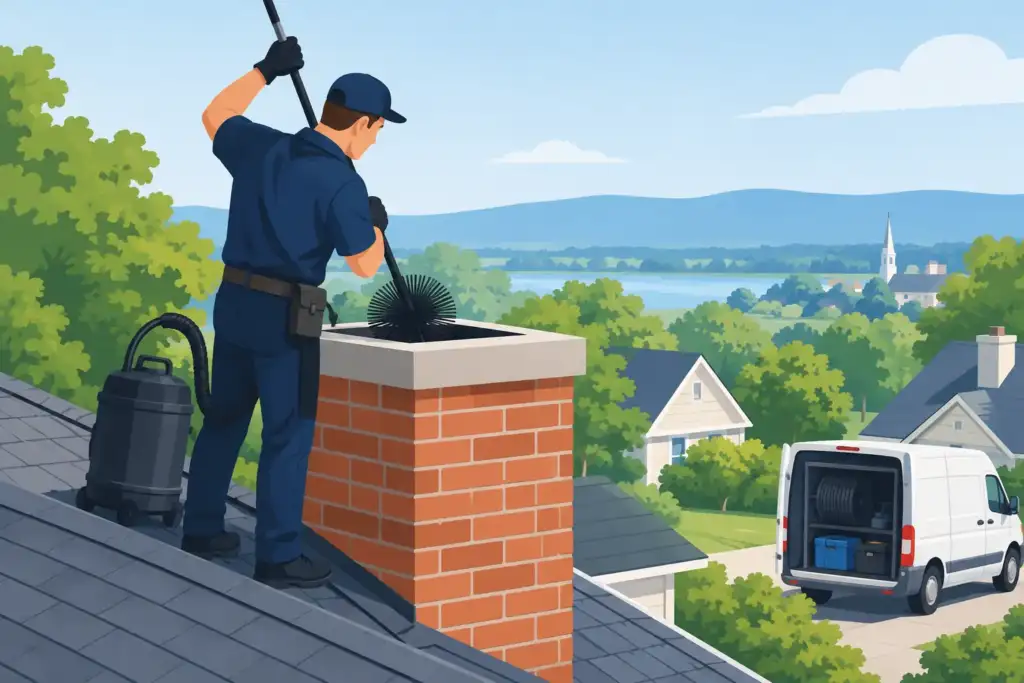
A wood-burning fireplace can make a Burke home feel warmer and more inviting, but the chimney behind it needs regular attention. If you are searching for chimney cleaning near me in Burke, VA, the goal is not simply to remove soot. A professional cleaning helps reduce fire hazards, identify visible concerns early, and keep your fireplace ready for safe use when colder weather arrives.
Chimney maintenance is easy to postpone because much of the system is out of sight. Yet each fire leaves behind combustion byproducts, and even an occasional fireplace can collect creosote, ash, nesting material, and outdoor debris. A careful service appointment gives homeowners a clear picture of what is inside the flue without turning a routine cleaning into a stressful project.
Why chimney cleaning matters in Burke homes
When wood burns, smoke travels through the firebox, damper, smoke chamber, and flue. As it cools, some of that smoke residue sticks to the chimney liner as creosote. Creosote can range from light, flaky residue to a harder, glazed buildup that requires more intensive removal. Because it is combustible, letting it accumulate raises the risk of a chimney fire.
Blockages create a different problem. Leaves, twigs, animal nests, and deteriorating masonry can restrict the path smoke needs to leave the home. That may lead to poor draft, smoke odors, or smoke entering the living area when the fireplace is used. A chimney cap can help limit debris and animal entry, but it still needs to be checked as part of regular maintenance.
There is also the practical side of home care. A fireplace that smells strongly of soot, sends smoke into the room, or leaves excessive debris behind is not enjoyable to use. Cleaning does not correct every chimney issue, but it removes a common source of poor performance and helps reveal whether repairs or a closer inspection are needed.
When should you schedule chimney cleaning near me in Burke, VA?
For most households, a yearly chimney inspection is a smart baseline, especially before fireplace season. Whether a full cleaning is needed depends on how often you burn wood, the type of wood you burn, how well the fire burns, and what a technician finds inside the flue.
A family that uses a wood-burning fireplace several times a week through fall and winter may need cleaning more often than a homeowner who enjoys only a few fires each year. Burning unseasoned or damp wood can also create more smoke and creosote than properly seasoned firewood. Gas fireplaces are generally cleaner than wood-burning units, but their venting systems still benefit from periodic professional inspection and cleaning when needed.
Do not wait for a calendar reminder if you notice warning signs. Schedule service sooner if smoke backs into the room, a strong smoky odor appears even when the fireplace is off, fires are difficult to start, or you hear animals moving in the chimney. A sudden draft change, visible debris in the firebox, or black residue falling from above also deserves attention.
What a professional chimney cleaning visit should include
A quality chimney service should be orderly, careful, and clear about what is being done. Before work begins, the technician should protect the nearby flooring and furnishings, then evaluate accessible portions of the fireplace and chimney system. Specialized brushes, vacuums, and containment methods help remove soot and creosote while keeping dust out of the living space.
The exact approach depends on the condition of the chimney. Light soot may be relatively straightforward to remove. Thick creosote, a heavy blockage, or signs of damage can change the scope of work. A trustworthy provider explains those findings instead of treating every chimney exactly the same.
After cleaning, homeowners should understand what was removed and whether the technician noticed concerns such as a damaged cap, obstructed flue, deteriorated liner, or signs of water intrusion. Before-and-after photos or video can be especially useful because the most important parts of a chimney are usually not visible from the hearth.
A cleaning appointment is not a substitute for major chimney repair or a formal real estate inspection. Still, it can identify visible maintenance needs early, when there may be more options for addressing them.
A clean chimney should not leave a dirty house
Some homeowners avoid scheduling a sweep because they worry about black dust on carpets, furniture, or walls. That concern is reasonable, and it is one reason the company you choose matters. Modern equipment and proper containment allow trained technicians to clean the chimney while treating the home with care.
Ask how the work area will be protected, whether the team uses high-powered vacuum equipment, and how they document the completed service. Clear answers are a good sign that the provider respects both the job and your home.
How to choose a local chimney cleaning company
Price matters, but the lowest advertised number does not always reflect the final cost or the quality of the work. Chimney service can vary based on chimney height, accessibility, level of buildup, number of flues, and whether there is a blockage. The right company will provide transparent upfront pricing and explain what is included before the work starts.
Look for a local team with relevant experience, punctual scheduling, and a straightforward process. You should feel comfortable asking what the technician found and why any added recommendation is necessary. A reliable company will not use fear to pressure you into services that have not been explained.
It also helps to choose a provider that documents results. Photos and video can show homeowners the condition of areas they cannot easily see, making it easier to understand the value of the cleaning and any recommended next step. At Delight Home Air Cleaning, our focus is careful, visible work and clear communication so customers know what has been completed in their home.
Simple steps to take before your appointment
You do not need to prepare the chimney yourself. In fact, avoid attempting to scrape creosote or reach into the flue without the proper tools and safety measures. A few small steps can make the visit easier: allow the fireplace to cool completely, remove decorative items from the mantel and hearth, and make a clear path to the fireplace.
If you have noticed smoke odors, draft issues, falling debris, or an unusual sound from the chimney, mention it when booking. Those details can help the technician focus the inspection. It is also useful to share how often you use the fireplace and whether you burn wood, gas, or manufactured logs.
After the service, use only dry, seasoned firewood if you have a wood-burning fireplace. Avoid burning trash, treated lumber, or wet wood. These materials can create excessive smoke, residue, and unpleasant odors. Keep the damper operating properly, and consider a chimney cap if your system does not have one or the existing cap is damaged.
Protect the fireplace before the next cold spell
The best time to arrange chimney service is before you are ready to light the first fire of the season. That gives you time to address an obstruction, cap problem, or other concern without interrupting the comfort of your home. It can also be easier to find an appointment before the fall rush.
A clean chimney supports safer fires, a cleaner fireplace area, and greater confidence when family and guests gather around the hearth. If your Burke fireplace has been unused for a while or you cannot remember the last cleaning, a professional look inside is a practical place to start. Book service before the next cold spell, and enjoy your fireplace with a little more peace of mind.