Chimney Cleaning Near Me in Great Falls: When to Book
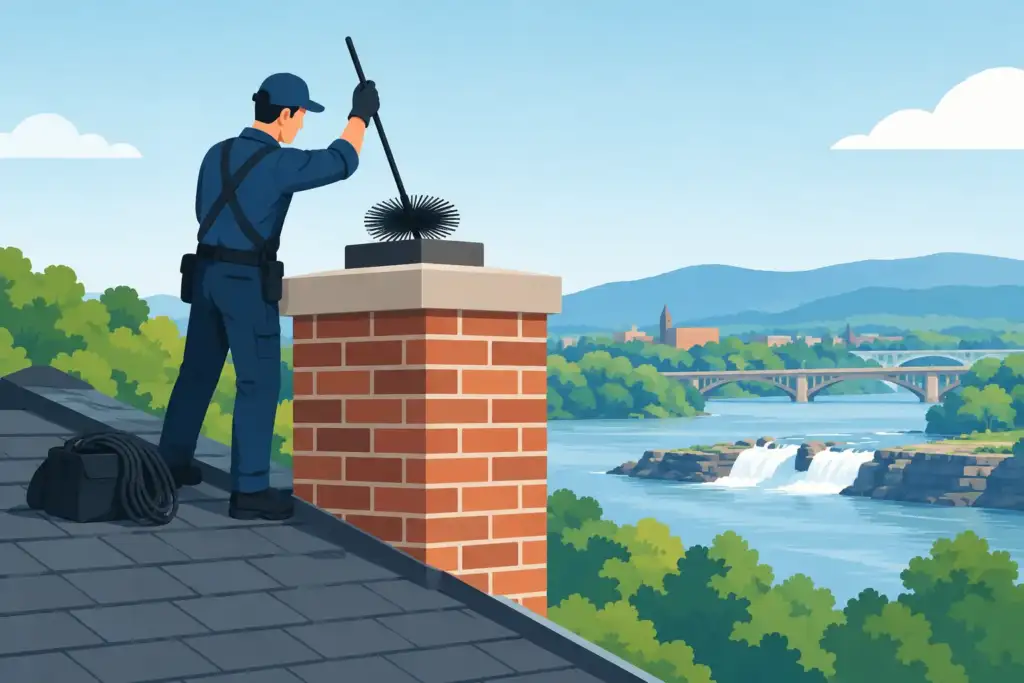
A fireplace can look perfectly clean from the living room while soot and creosote are building farther up the flue. That is why homeowners searching for chimney cleaning near me in Great Falls should not wait for a smoky room or a strong odor to schedule service. A professional chimney cleaning helps remove combustible residue, identify airflow concerns, and prepare your fireplace for safer, more enjoyable use.
For many Great Falls homes, the right time to clean is before the first cold-weather fire. If your fireplace has already been used this season, service can still make sense, especially if you notice smoke entering the room, a lingering burnt smell, or dark debris around the firebox.
What a Professional Chimney Cleaning Helps Prevent
Each wood fire produces smoke, and smoke leaves behind fine soot and creosote inside the chimney. Creosote is a sticky or flaky residue that can build up on flue surfaces over time. The heavier the buildup, the greater the concern. It can restrict draft, cause unpleasant odors, and create fuel for a chimney fire.
Cleaning also gives a trained technician an opportunity to look for conditions that affect safe operation. A blocked flue, nesting material, excess debris, damaged components, or moisture intrusion can all interfere with proper ventilation. Not every chimney needs the same level of work, which is why a careful assessment matters more than a one-size-fits-all approach.
A clean chimney does not replace needed repairs or a full inspection when there is suspected damage. If the flue liner is cracked, the chimney cap is missing, or water has affected the masonry, those issues should be addressed separately. Still, routine cleaning is one of the clearest ways to keep normal buildup from becoming an avoidable problem.
When to Search for Chimney Cleaning Near Me in Great Falls
Annual chimney service is a good rule for many households that burn wood regularly. The National Fire Protection Association recommends that chimneys, fireplaces, and vents be inspected at least once a year. How often cleaning is needed depends on how much you use the fireplace, what you burn, and the condition of the chimney.
For example, a family that enjoys weekly wood fires through fall and winter may need more regular attention than a household that lights a few fires each year. Burning unseasoned wood can also create more smoke and creosote than properly dried firewood. Gas fireplaces generally produce less soot than wood-burning systems, but their venting systems still need periodic professional attention.
Do not wait until next season if you see warning signs now. Schedule service promptly when you notice:
- Smoke backing up into the room after a fire is started
- A strong soot, smoky, or musty odor from the fireplace
- Black flakes, residue, or debris falling into the firebox
- Birds, squirrels, leaves, or other material near the chimney opening
- Difficulty starting or maintaining a fire despite dry firewood
These signs do not automatically mean there is a serious defect, but they are good reasons to have the system checked by a professional rather than guessing at the cause.
What to Expect From a Careful Chimney Sweep
A professional chimney cleaning should feel organized, respectful, and clear from the start. The technician should protect the work area, use appropriate cleaning equipment, remove soot and creosote from accessible parts of the system, and contain debris so it does not spread through your home.
The exact process varies by fireplace type and chimney condition. A wood-burning fireplace with a heavily used flue may require more extensive brushing and vacuuming than a lightly used gas unit. If the technician finds a blockage, excessive creosote, or a condition that needs repair, they should explain what was found and what next step is appropriate.
At Delight Home Air Cleaning, homeowners can expect straightforward communication, careful work, and before-and-after visual documentation when applicable. Seeing the condition of the chimney helps make the service more transparent. It also gives you a clearer record of what was cleaned instead of leaving you to wonder what happened beyond the fireplace opening.
Why Great Falls Homes Need a Seasonal Check
Great Falls homes often have beautiful fireplaces that serve as a real part of family life, from quiet evenings to holiday gatherings. Many properties also have mature trees nearby, which can mean more leaves, twigs, and animal activity around rooflines and chimney caps. A cap helps reduce entry by rain and wildlife, but it should be checked for damage, loose screening, or buildup.
Seasonal weather adds another consideration. Rain, freezing temperatures, and repeated thawing can expose masonry and metal components to moisture. Cleaning will not fix water damage, but it can reveal concerns before they are hidden behind a new season of fireplace use.
If your chimney has not been serviced in several years, it is especially wise to schedule an evaluation before lighting another fire. The same is true after buying a home. Previous use, fuel type, and maintenance history are not always clear during a move, and a professional assessment offers better information than a quick visual check from the hearth.
Choosing a Chimney Cleaning Company With Confidence
A low advertised price can be appealing, but homeowners should know what the appointment actually includes before booking. Ask whether the company provides upfront pricing, whether there are additional fees for standard cleaning, and how technicians document their findings. Clear answers are a sign that the company values your time and trust.
It also helps to choose a local provider that treats your home with care. Chimney cleaning is a hands-on service performed inside your living space, so punctuality, floor protection, cleanup, and respectful communication matter as much as the equipment being used. A qualified team should explain concerns in plain language, not pressure you into work you do not understand.
Look for a provider that can distinguish between routine maintenance and a repair issue. Cleaning is valuable when soot and creosote need removal. Repairs may be needed for damaged caps, liners, dampers, masonry, or flashing. Knowing the difference helps you make a practical decision for your home and budget.
Prepare Your Fireplace Before the Appointment
A little preparation helps the visit go smoothly. Let the fireplace cool completely before the technician arrives, ideally for at least 24 hours after the last fire. Remove decorative items, fireplace tools, rugs, or fragile belongings from the immediate work area. If you have questions about fireplace performance, odors, smoke, or past water leaks, make a short note so you can discuss them during the appointment.
You do not need to attempt a deep cleaning yourself before professional service. In fact, brushing or scraping inside the flue without the right equipment can create a mess, leave residue behind, or disturb areas that need a trained eye. Emptying loose ash from the firebox is fine if the unit has been fully cooled, but leave the chimney system itself to the professionals.
A clean chimney supports safer fires, better draft, and greater peace of mind when the weather calls for gathering around the hearth. Book service before your next burn, ask clear questions, and give your fireplace the routine care it deserves.