When to Book Chimney Cleaning Near Me in Reston, VA
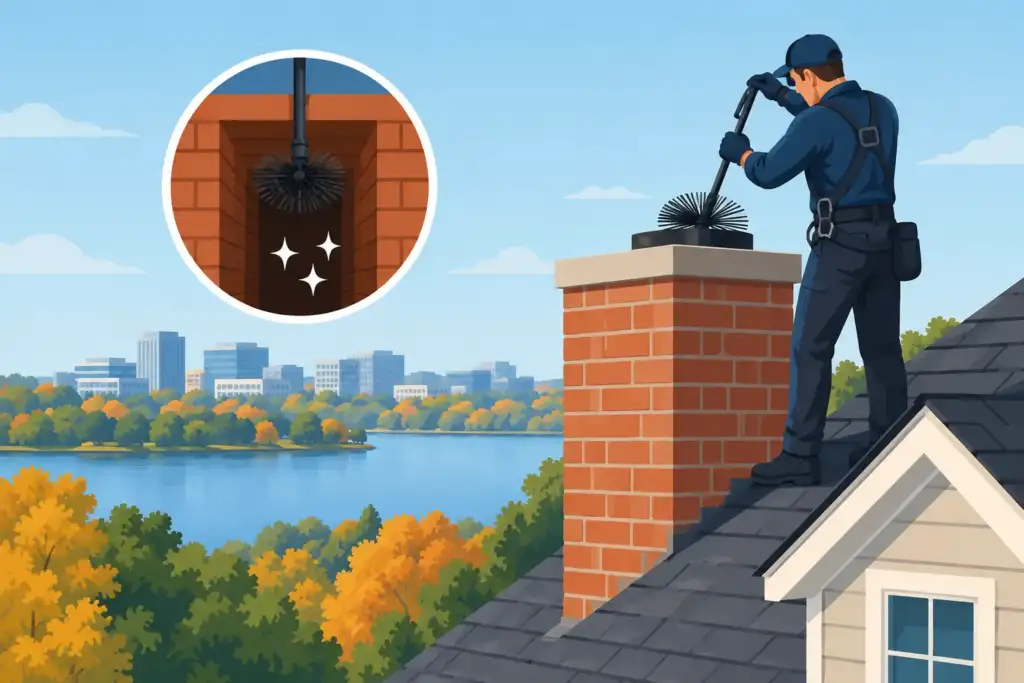
A fireplace can make a Reston home feel warmer and more welcoming, but the chimney above it needs attention long after the last fire has gone out. If you are searching for chimney cleaning near me in Reston, VA, you may already notice soot odors, smoke backing into the room, or a fireplace that has not been used or serviced in years. Professional chimney cleaning helps remove combustible buildup, supports proper draft, and gives you a clearer picture of your chimney’s condition before fireplace season.
Why chimney cleaning matters for Reston homes
Every wood-burning fire leaves behind smoke particles, ash, and creosote. Creosote is a dark residue that collects on the inside of a chimney as smoke cools. It can range from a light, dusty coating to a thick, hardened layer, and heavier buildup can be difficult to remove without the right equipment and training.
A clean chimney is not only about appearance. When soot and creosote collect, they can restrict the path smoke uses to leave your home. That may lead to weak draft, unpleasant odors, and smoke entering the living space. Creosote is also combustible, which is why routine chimney maintenance is an essential part of using a wood-burning fireplace responsibly.
Northern Virginia weather adds another reason to stay ahead of maintenance. Rain, humidity, freezing temperatures, and wind can affect chimney masonry, caps, dampers, and flashing over time. Cleaning does not replace repair work when a chimney is damaged, but it can help reveal concerns that might otherwise stay hidden behind soot and debris.
Signs it is time to schedule chimney cleaning near me in Reston, VA
The best time to arrange cleaning is often before you need the fireplace. Late summer and early fall are popular times because homeowners want their chimneys ready before colder evenings arrive. Still, you should not wait for a particular season if your fireplace is showing warning signs.
Pay attention if you smell a strong smoky or stale odor near the fireplace, see black residue around the firebox, or notice smoke coming into the room when you light a fire. A poor draft, a damper that is hard to open or close, and debris falling into the firebox can also point to a chimney that needs professional attention.
Animal activity deserves prompt attention as well. Birds, squirrels, and other animals may try to nest in an uncapped or damaged chimney. Nesting material can block airflow and create a fire concern. If you hear movement or find twigs, leaves, or nesting materials in the fireplace, avoid using it until the chimney has been checked.
Even without obvious symptoms, a chimney that has gone a full year of regular use should be evaluated. How often cleaning is needed depends on how frequently you burn fires, what type of wood you use, whether the wood is properly seasoned, and the condition of the chimney. A home that burns fires several nights a week may need service sooner than one that uses the fireplace only a few times each winter.
What professional chimney cleaning should include
A professional visit should feel orderly, careful, and clear from the moment the technician arrives. The work begins by protecting the area around the fireplace. Floors and nearby furnishings should be treated with care, because chimney cleaning involves fine soot and dust that should stay contained.
The technician then assesses accessible parts of the fireplace and chimney system, including the firebox, damper area, flue, and visible components. Specialized brushes and vacuum equipment are used to remove soot, ash, and creosote from the areas that can be safely cleaned. The goal is to clear buildup without spreading debris through your home.
A quality service also involves communication. You should understand what was found, what was cleaned, and whether the technician saw signs of a blockage, moisture issue, damaged component, or repair need. Before-and-after photos or video can be especially helpful because much of the chimney system is out of sight during everyday use.
At Delight Home Air Cleaning, the focus is on careful, transparent service and visible results. Homeowners should not be left guessing whether work was completed or what condition their chimney is in afterward.
Cleaning, sweeping, and inspection are related but different
Homeowners often use the terms chimney cleaning, chimney sweep, and chimney inspection interchangeably. They overlap, but each describes a slightly different need.
Chimney cleaning or sweeping refers to removing soot, creosote, and debris from the flue and fireplace area. This service is particularly useful when the chimney has been used regularly or when buildup is visible. An inspection focuses on the condition and safe operation of the chimney system. Depending on the situation, an inspection may identify cracks, liner concerns, water intrusion, blockages, or other issues that cleaning alone cannot correct.
If you have just moved into a home, experienced a chimney fire, had storm damage, or are unsure when the fireplace was last used, ask about the appropriate level of evaluation for your situation. It may be more than a standard cleaning appointment. On the other hand, if your chimney has been routinely maintained and you simply want to prepare for the heating season, a straightforward cleaning may be the right next step.
Small habits that help keep your chimney cleaner
Professional service does the essential work, but daily fireplace habits affect how quickly residue accumulates. Burn only dry, seasoned firewood. Damp or unseasoned wood produces more smoke and can contribute to faster creosote buildup. Avoid burning trash, cardboard, treated lumber, or painted wood in the fireplace. These materials can release harmful fumes and leave residues that do not belong in a residential chimney.
Keep the damper open while a fire is burning and until the ashes have cooled. An open damper supports proper airflow, while closing it too soon can push smoke and combustion gases back toward the home. After the fireplace has completely cooled, remove excess ash as needed, but leave a thin layer if it helps you build the next fire.
Look up occasionally, too. A chimney cap helps keep out rain, leaves, and animals while allowing smoke to exit. If the cap is missing, loose, rusted, or visibly damaged, arrange an evaluation. A small exterior issue can become a larger cleaning and repair problem when debris and moisture get inside.
Choosing a local chimney cleaning company
Price matters, but the lowest advertised number does not always reflect the full scope of work. Ask whether the estimate includes protection for the work area, cleaning of the accessible chimney system, cleanup afterward, and a clear explanation of findings. Transparent upfront pricing helps you plan without worrying about surprise add-ons after the technician is already in your home.
Experience and accountability matter as well. A local company should respect appointment times, answer questions in plain language, and treat your home carefully. It is reasonable to ask how debris will be contained, whether visual documentation is available, and what happens if a condition is found that requires repair beyond cleaning.
Avoid anyone who pressures you to approve major work immediately without explaining the problem or showing supporting evidence. Some chimney conditions do require prompt action, especially suspected blockages or significant damage. Still, a trustworthy provider should explain the concern clearly so you can make an informed decision.
Make fireplace season safer before the first fire
Do not wait until smoke enters the room or the first cold weekend fills the schedule. Booking chimney service before regular fireplace use gives you time to address buildup, animal debris, or visible concerns without rushing. It also lets you enjoy your fireplace with greater confidence when cooler Reston evenings arrive.
A clean chimney cannot guarantee that every fireplace issue is prevented, and it does not replace needed repairs. What it does provide is a practical, safety-minded starting point: a cleaner path for smoke to exit, less combustible residue in the flue, and a better understanding of the system that helps make your home feel like home. If your chimney is due for attention, schedule service before you light the next fire.