Dryer Vent Cleaners Bethesda Homes Can Trust
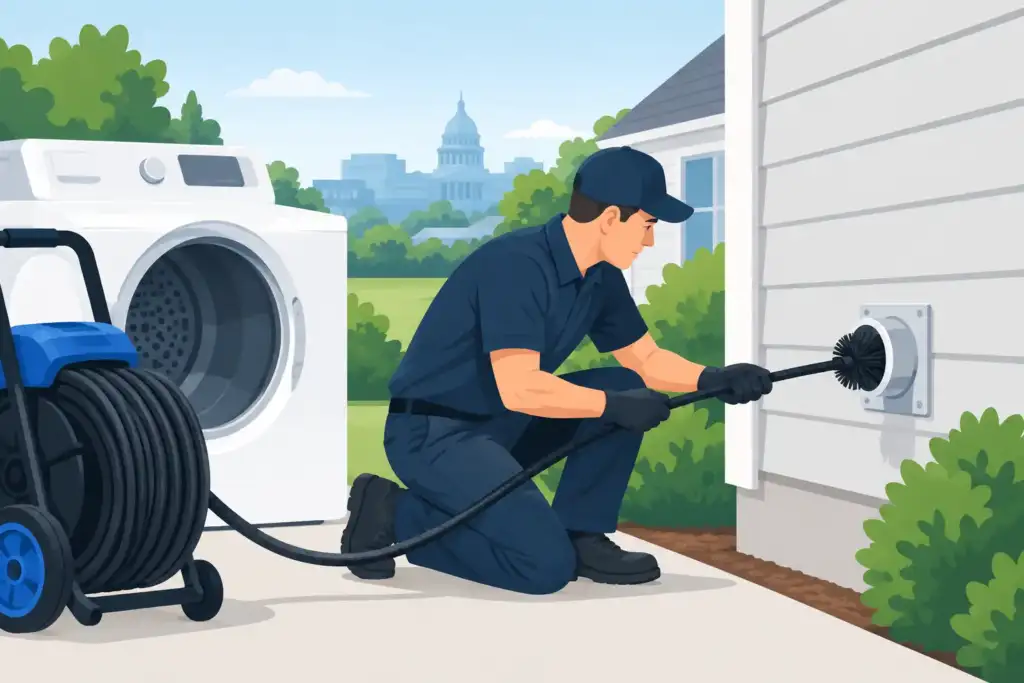
A dryer that needs two or three cycles to dry a normal load is not just frustrating. In many Bethesda homes, it is an early warning that lint has built up somewhere beyond the lint screen. The filter catches only part of the debris. The rest can collect in the transition hose, inside the vent line behind the wall, and around the exterior vent cap, where it restricts airflow and raises the risk of overheating.
Dryer vent cleaners Bethesda homes rely on should do more than remove a handful of lint from the laundry room. Professional service should address the full path from the dryer connection to the exterior termination point, helping the appliance release heat and moisture as designed. That means a safer laundry area, better drying performance, and less unnecessary strain on the dryer.
Why a clean dryer vent matters
Every load sends warm, moist air and fine lint through the vent system. When that path is clear, the dryer can move heat outdoors efficiently. When it is narrowed by lint, crushed ductwork, bird nesting material, or a stuck exterior flap, heat remains trapped longer in the appliance and laundry area.
That restriction can lead to longer drying times and higher energy use. It may also cause the dryer to run hotter than it should. Lint is highly combustible, so an obstructed vent is a genuine home-safety concern, not merely an appliance-maintenance issue.
Bethesda households may be especially likely to overlook the problem in homes with laundry rooms located away from an exterior wall. A longer vent route with several turns can collect lint more quickly than a short, straight run. Townhomes, condos, older houses, and remodeled laundry spaces can all have vent configurations that deserve closer attention.
Signs your dryer vent may be clogged
The most common sign is clothing that takes longer than usual to dry. A load that once dried in one cycle may come out damp, especially towels, jeans, bedding, and other heavier fabrics. Running an extra cycle may solve the immediate problem, but it does not remove the blockage.
You may also notice that the dryer or laundry room feels unusually hot while the machine is running. A burning smell, a hot exterior dryer surface, or a vent hood that does not open properly during a cycle should be taken seriously. Turn off the dryer and arrange an inspection rather than continuing to use it.
Other clues are less dramatic. Excess lint around the dryer, visible debris at the exterior cap, unusually humid laundry-room air, or a dryer that shuts off before clothes are dry can all point to poor exhaust airflow. Some newer dryers display an airflow or vent warning, but homeowners should not wait for an alert if performance has changed.
What professional dryer vent cleaning should include
A thorough appointment begins with access and airflow conditions, not assumptions. The technician should inspect the dryer connection, the accessible vent path, and the exterior outlet to identify buildup or visible restrictions. From there, specialized equipment is used to loosen and remove lint through the line without treating the job as a quick vacuum around the dryer.
The exterior termination deserves equal attention. A clogged cap or damaged flap can stop air from leaving the home, even when the interior section of the vent is relatively clean. In some cases, the real issue is not lint alone. A disconnected duct, crushed flexible hose, poorly routed vent, or screen that traps lint may require a repair recommendation after cleaning.
A dependable local provider should explain what was found and show the results whenever practical. Before-and-after photos or video help homeowners see the condition of the vent instead of taking the service on faith. Clear communication also matters when a vent layout is difficult to access or needs additional work beyond standard cleaning.
How often should Bethesda homeowners schedule service?
For many homes, annual dryer vent cleaning is a sensible maintenance schedule. It is particularly helpful for families doing several loads each week, households with pets, and homes where the dryer vent travels a long distance or makes multiple turns before exiting the building.
However, the right frequency depends on use and vent design. A one-person household with a short, straight metal vent may not produce buildup as quickly as a busy family laundry room. On the other hand, a large household may benefit from an inspection sooner than a year if drying time starts to increase.
New homeowners should consider scheduling a cleaning when they move in if the dryer vent service history is unknown. The same is true after a renovation that moved the laundry area or altered an exterior wall. A clean dryer vent gives you a better baseline for noticing future changes in performance.
Why the lint screen is not enough
Cleaning the lint screen after every load is one of the best habits a homeowner can keep. It improves airflow at the dryer and reduces the amount of lint entering the vent line. But it is only one part of the system.
Fine lint passes through the screen with normal use. Dryer sheets and fabric-softener residue can also create a thin film on the screen that reduces airflow even when it looks clean. Washing the screen gently with warm water and mild soap from time to time can help remove that residue. Make sure it is fully dry before reinstalling it.
The vent line itself needs professional attention because it is enclosed, often long, and difficult to clean safely with household tools. Pushing a brush too far into a duct can compact lint, disconnect a joint, or damage a fragile transition hose. A do-it-yourself approach may be reasonable for cleaning behind the dryer and checking the lint screen, but it is not a substitute for cleaning the full route.
Choosing dryer vent cleaners for Bethesda homes
Price matters, but the lowest advertised price is not always the best value if it covers only a limited portion of the vent or leads to unexpected add-ons at the door. Ask what the service includes, whether the exterior cap is inspected, and how the company handles longer runs or hard-to-reach exits. Upfront pricing and a clear scope of work help prevent surprises.
Look for a company that treats your home with care. The work may involve moving the dryer, protecting nearby flooring, and accessing an exterior wall or roofline. Punctual technicians, clean work habits, and a straightforward explanation of findings are signs that the company takes both safety and customer service seriously.
Experience also makes a difference. A trained technician can recognize when reduced airflow comes from lint buildup and when the system has a mechanical or installation problem that cleaning alone will not fix. Honest recommendations are valuable because a clear vent should improve performance, but no service provider should promise to solve unrelated dryer failures.
Delight Home Air Cleaning provides professional dryer vent cleaning for homeowners who want careful work, transparent pricing, and visible results. Our team uses modern cleaning equipment to remove built-up lint and help restore the airflow your dryer needs, while respecting your home from arrival through cleanup.
Small habits that help between appointments
Keep the area behind and around the dryer free of laundry, boxes, and dust. Check that the transition duct is not crushed when the machine is pushed back into place. A rigid or properly installed metal connection is generally preferable to flimsy plastic or foil-style materials, which can sag, tear, and trap lint.
Outside, take a quick look at the vent hood occasionally while the dryer is running. The flap should open enough to release air. Do not install a fine mesh screen over the outlet to keep pests out unless it is specifically designed for dryer use, since ordinary screens can become lint traps. If you see nesting material or persistent lint at the cap, schedule service before the next heavy laundry day.
A dryer should make laundry easier, not turn a routine chore into repeated cycles and a hotter home. If drying time has changed or your vent history is uncertain, a professional inspection is a practical next step toward a cleaner, safer laundry space.