Chimney Cleaning Near Me in Vienna, VA Today
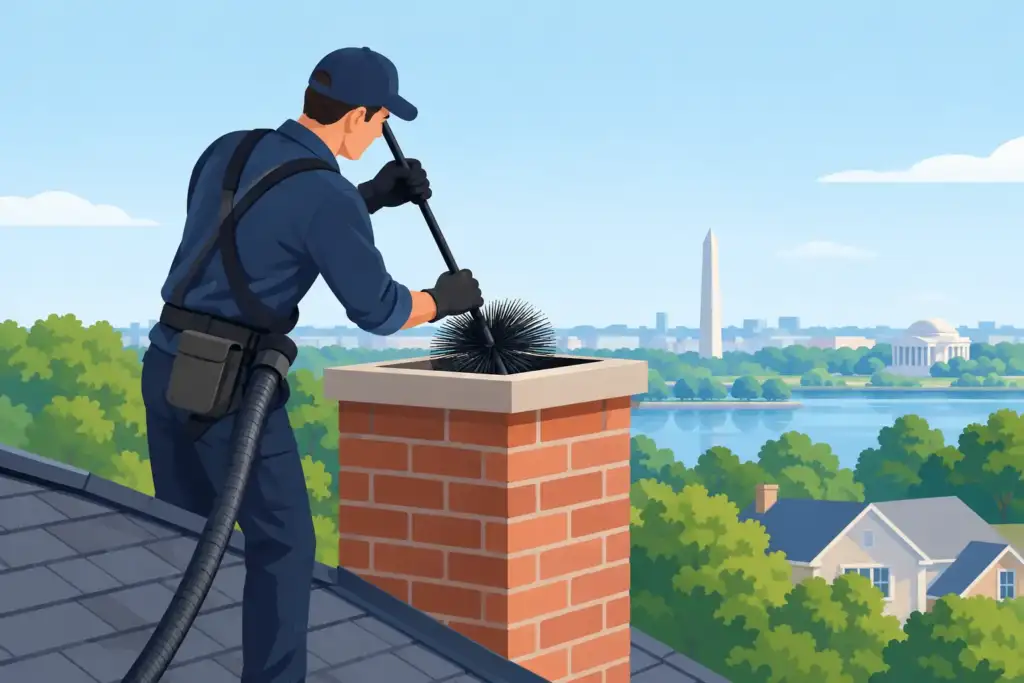
A fireplace can make a Vienna home feel warmer and more comfortable, but the chimney above it needs regular attention. If you are searching for chimney cleaning near me in Vienna, VA, you may have noticed a smoky odor, dark residue in the firebox, or smoke that does not rise as cleanly as it should. Those signs are worth addressing before the next fire, not after.
Professional chimney cleaning removes combustible soot and creosote buildup from the flue while giving a trained technician a clear view of conditions inside the system. It is practical home maintenance that supports safer fireplace use, helps protect your home from unpleasant odors and mess, and can reveal concerns before they become costly repairs.
Why chimney cleaning matters for Vienna homes
Each time wood burns, it produces smoke, gases, fine particles, and moisture. As that smoke moves up a cooler chimney flue, some of its byproducts can stick to the interior walls. The dark, tar-like residue is called creosote. A small amount of buildup may be expected with wood-burning fireplaces, but heavier deposits can become a fire hazard.
How quickly creosote accumulates depends on how often you use the fireplace, the type and moisture level of the wood, how hot the fire burns, and how well the chimney drafts. A fireplace used a few times during the holidays may need a different maintenance schedule than one used several evenings each week throughout winter. That is why a professional assessment is more useful than guessing based on the calendar alone.
Cleaning also removes soot, nesting materials, leaves, and other debris that may restrict airflow. Northern Virginia weather brings changing temperatures, rain, wind, and active wildlife. If a chimney cap is damaged or missing, debris and animals can find their way into the flue more easily. A restricted chimney can contribute to smoke entering the room, unpleasant fireplace odors, and reduced performance.
When to look for chimney cleaning near me in Vienna, VA
The best time to schedule service is often before fireplace season begins, when you can address buildup and confirm the system is ready for use. Still, you should not wait for a seasonal appointment if your fireplace gives you a reason to be concerned.
A strong smoky smell from the fireplace, especially during humid weather, can point to soot or creosote residue in the chimney. Smoke coming back into the room when you light a fire can indicate draft problems, a blockage, or an issue with the damper or flue. Excessive black residue around the firebox, a visible bird nest, falling debris, or a chimney cap that looks loose are other reasons to schedule an evaluation.
Do not assume a fireplace is clean just because it has not been used recently. An unused chimney can still collect leaves, moisture, animal nesting material, and outdoor debris. On the other hand, a chimney that sees frequent wood fires may require more regular cleaning and inspection because buildup can increase quickly.
If you have recently moved into a home and do not know the fireplace maintenance history, having the chimney professionally checked before using it is a sensible first step. It gives you a clearer picture of the system you are relying on.
What professional chimney cleaning includes
A proper chimney cleaning is more than brushing out visible ash from the fireplace. The work should focus on the parts of the venting system that are difficult for a homeowner to see and safely reach.
A trained technician begins by protecting the work area and assessing the fireplace and accessible chimney components. Specialized brushes and professional equipment are used to dislodge soot and creosote from the flue. Containment and vacuum equipment help control dust so the cleaning process is respectful of your floors, furnishings, and indoor air.
The fireplace, smoke chamber, damper area, and firebox may also need attention depending on the system and buildup found. A professional visit can identify visible concerns such as damaged flue components, an obstructed passage, moisture-related deterioration, or a cap issue that should be repaired. Cleaning does not replace every type of chimney inspection or repair, but it creates an opportunity to spot conditions that should not be ignored.
Before-and-after photos or video can be especially helpful. You should not have to take a technician’s word for the condition of a hard-to-see flue. Visual documentation helps homeowners understand what was removed and whether additional service is recommended.
Cleaning, inspection, and repair are not the same service
These terms are often used interchangeably, but they serve different purposes. Chimney cleaning removes soot, creosote, and debris. An inspection evaluates the condition and safe operation of the chimney and fireplace system. Repair corrects a specific problem, such as a damaged cap, masonry issue, cracked component, or failing damper.
Many appointments include a visual review while cleaning is performed, but the level of inspection needed depends on the home’s history and the condition of the chimney. If there has been a chimney fire, water damage, a major storm, a change to the heating appliance, or a long period without service, a more detailed evaluation may be appropriate.
The right provider should explain what they see in plain language. Be cautious with vague recommendations, pressure to approve work immediately, or prices that change significantly after the technician arrives. Clear upfront pricing and documented findings make it easier to make a confident decision for your home.
Simple habits that reduce chimney buildup
Professional cleaning is essential maintenance, but daily fireplace habits make a difference too. Burn only properly seasoned, dry firewood. Wet or unseasoned wood creates more smoke and can leave heavier deposits inside the flue. Avoid burning trash, treated lumber, painted wood, cardboard, or other materials not intended for a fireplace.
Build fires that receive enough air to burn efficiently, and make sure the damper is fully open before lighting. Once the fireplace is completely cool, remove excess ash as needed, leaving the firebox tidy for the next use. These steps will not eliminate creosote, but they can help reduce unnecessary buildup.
A properly fitted chimney cap is also a worthwhile protective feature. It helps keep out rain, leaves, and animals while allowing smoke to exit. If your cap is missing, bent, rusted, or loose, address it before debris has a chance to create a larger blockage.
Choosing a local chimney cleaning company
When comparing providers, look beyond the lowest advertised price. Chimney work involves your home’s interior, roofline, and fire safety, so experience and care matter. Ask whether the company uses professional containment equipment, provides clear pricing before work begins, and can show you the results of the cleaning.
Punctuality and respect for your home matter just as much. A dependable local company should protect the service area, communicate clearly about what is being done, and leave the fireplace area clean when the job is complete. If recommendations are made, they should be based on visible conditions rather than fear-based sales pressure.
Delight Home Air Cleaning brings a local, customer-first approach to chimney cleaning, with trained service professionals, modern equipment, transparent pricing, and visual proof of completed work. The goal is straightforward: help you maintain a cleaner, safer chimney without adding uncertainty to an already important home service.
Give your fireplace a clean start
A chimney is easy to overlook because most of its working surface is out of sight. Yet a clean, open flue is a key part of enjoying your fireplace with greater confidence. Whether you are preparing for cooler weather, noticing smoke or odor concerns, or catching up on overdue maintenance, scheduling professional chimney cleaning gives your home a cleaner start before the next fire is lit.