How to Improve Home Airflow for Fresher Rooms
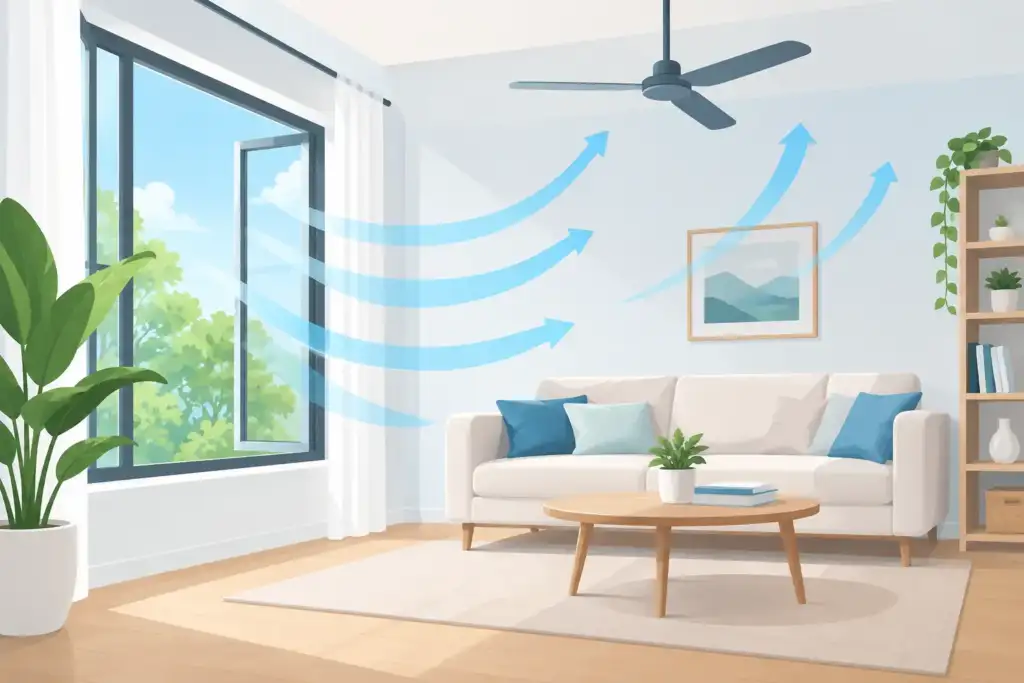
A bedroom that feels stuffy at night, one room that stays hotter than the rest of the house, or a dryer that suddenly takes two cycles are not small inconveniences. They can be signs that air is not moving through your home as it should. To improve home airflow, start by looking at the everyday restrictions that quietly make your HVAC and ventilation systems work harder.
Good airflow helps your heating and cooling system distribute conditioned air more evenly. It also helps remove moisture, odors, and particles from kitchens, bathrooms, laundry rooms, and living spaces. The goal is not to create a draft in every room. It is to keep supply air, return air, and exhaust air moving where they need to go.
Start With the Airflow Problems You Can See
Many airflow issues begin with simple obstacles. Walk through your home while the heating or cooling system is running. Check each supply register and return grille for furniture, rugs, curtains, pet beds, or storage bins that block the opening.
Supply registers deliver heated or cooled air into a room. Return grilles pull indoor air back toward the HVAC system to be filtered and conditioned again. Both need open space around them. Closing too many supply vents in unused rooms can also create pressure problems and may reduce system efficiency, depending on how your ductwork is designed.
Look at the registers themselves, too. Dust buildup on the grille may not be the only issue, but it is a helpful clue that cleaning has been delayed. Vacuum visible dust carefully, then make sure vent covers are fully open and not bent or clogged with debris.
Replace the HVAC Filter at the Right Time
A loaded air filter is one of the most common reasons for weak airflow. It can restrict the air returning to the HVAC equipment, forcing the blower to work harder while leaving rooms less comfortable. In homes with pets, active households, construction nearby, or family members who are sensitive to dust, filters may need attention more often.
Check the filter monthly, even if the package says it can last longer. Replace it when it looks gray, coated, or visibly packed with dust. The right replacement schedule depends on the filter type, your household, and your HVAC system.
Higher-rated filters can capture smaller particles, but more filtration is not automatically better for every system. A filter that is too restrictive for the equipment may reduce airflow. If you are considering a major filter upgrade, ask an HVAC professional which rating your system can handle safely.
Keep Return Paths Open Between Rooms
A closed interior door can make a room feel uncomfortable when there is no easy route for air to return to the central system. This is especially common in bedrooms. Air enters through a supply vent, but if the door is tightly closed and the room has no dedicated return grille, pressure can build up in that room.
You may notice the effect when a bedroom is much warmer in summer or colder in winter than the hallway. Opening the door may help, but it is not always a practical long-term answer. Some homes use transfer grilles, properly sized door undercuts, or dedicated returns to give air a path back to the system.
Do not cut doors, add grilles, or alter ductwork based on guesswork. A qualified HVAC professional can determine whether the issue is a return-air problem, a duct issue, inadequate equipment sizing, or something else entirely.
Use Kitchen and Bathroom Exhaust Fans Properly
Central HVAC airflow is only one part of a healthy home. Exhaust fans remove humid, stale, and contaminated air at the source. Run the bathroom fan during showers and for about 15 to 20 minutes afterward to help manage moisture. In the kitchen, use a vented range hood when cooking, especially when frying, searing, or producing steam.
If a bathroom stays humid long after a shower, check whether the fan actually moves air. Hold a single square of toilet paper near the grille while the fan is on. It should be gently held in place. This is only a quick observation, not a full performance test, but a weak result can point to a dirty fan cover, a clogged exhaust path, or an undersized fan.
Never use a bathroom fan or kitchen hood as a substitute for proper HVAC maintenance. These systems do different jobs, and each needs to work correctly for the home to feel fresh and balanced.
Do Not Overlook Dryer Vent Airflow
Your dryer needs a clear, correctly installed vent to send heat, moisture, and lint outdoors. When the vent becomes restricted, clothes can take longer to dry, the laundry room may feel warmer or more humid, and the dryer can be exposed to unnecessary strain. Lint buildup also raises a serious fire-safety concern.
Clean the lint screen before every load, but remember that screen cleaning does not clean the vent line behind the dryer. Watch for warning signs such as a hot dryer exterior, a burning smell, visible lint around the connection, or weak airflow at the outside vent hood while the dryer runs.
The outside hood should open freely during operation and close afterward. Do not use mesh screens or makeshift covers that trap lint. A professional dryer vent cleaning is the sensible next step when performance drops, the vent run is long, or you cannot safely inspect the full path.
When Air Duct Cleaning May Help Improve Home Airflow
Duct cleaning is not a cure-all for every comfort problem. If a room has undersized ducts, disconnected sections, failing equipment, or poor insulation, cleaning alone will not correct the underlying issue. But dust, construction debris, pet hair, and other buildup inside accessible ductwork can contribute to a neglected ventilation system and may affect airflow when deposits are significant.
Consider a professional inspection when you see dust blowing from registers, notice heavy debris around vents soon after cleaning, have recently completed remodeling work, or find that certain areas of the home have persistently weak airflow. A thorough service should address the duct system carefully and provide clear evidence of the work completed.
Delight Home Air Cleaning uses before-and-after visual documentation so homeowners can see the condition of the areas cleaned. That kind of transparency matters because it helps you make maintenance decisions based on what is actually inside the system, not on pressure or vague promises.
Know When the Problem Is Bigger Than Maintenance
Some airflow concerns need HVAC diagnosis rather than cleaning. Call a qualified HVAC technician if you hear unusual blower noises, notice ice on refrigerant lines, experience frequent system shutdowns, smell electrical or burning odors, or have a sudden major loss of air from multiple vents.
Uneven temperatures can also come from leaking ducts, poorly sealed attic ductwork, thermostat placement, an aging blower motor, or an HVAC system that is not properly sized for the home. In Northern Virginia, Maryland, and Washington, D.C., homes range from older townhouses to newer, tightly built properties. The cause can vary widely, even between neighboring houses.
A good service provider will explain what they found, distinguish cleaning needs from repair needs, and recommend only the work that fits the problem. Clear pricing and visible results should come before any major decision.
Build a Simple Airflow Maintenance Routine
The most reliable way to keep air moving well is regular attention rather than waiting for a complete blockage. Check filters monthly, keep vents and returns clear, use exhaust fans during moisture-producing activities, and watch your dryer for changes in drying time. Schedule professional help when you see persistent dust, weak airflow, or a safety concern that cannot be solved with routine cleaning.
A home should feel comfortable without making you wonder why one room is stale, why laundry takes all afternoon, or why dust returns as soon as you clean. Paying attention to those early signs can protect your equipment, support cleaner indoor air, and help your household breathe a little easier.