Chimney Sweep Arlington Homes Can Rely On
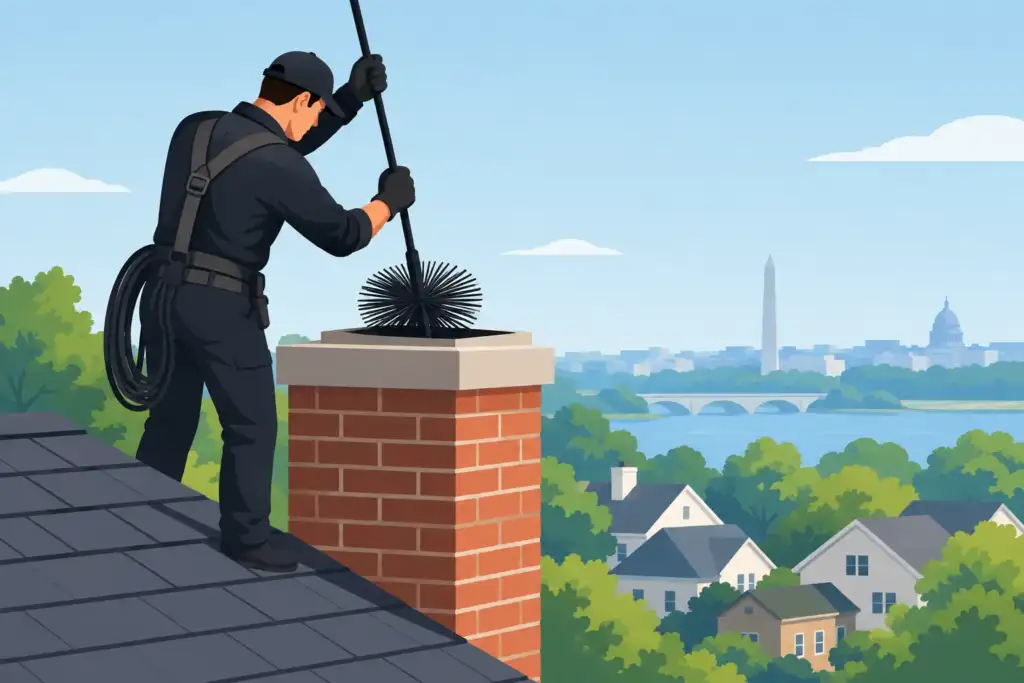
A fireplace can sit unused for most of the year, then become the center of the home on the first cold evening. That is exactly why chimney sweep Arlington homes schedule before fireplace season is more than a cosmetic service. Soot, creosote, nesting material, and outdoor debris can collect out of sight, affecting how your fireplace drafts and increasing the risk associated with using it.
For Arlington homeowners, routine chimney care is a practical part of protecting a home, its indoor air, and the people who gather around the fire. A clean chimney does not make every fireplace issue disappear, but it gives a trained professional the opportunity to remove combustible buildup and identify concerns that should not be ignored.
Why Arlington Chimneys Need Regular Attention
Every wood-burning fire produces smoke, gases, and small particles. As those byproducts move up a cooler chimney flue, some can condense on the interior walls. That residue is called creosote. It may look like a light, dusty coating at first, but it can become thicker, darker, and more difficult to remove over time.
Creosote is combustible. If enough has accumulated, the intense heat of a fire can ignite it inside the flue. A chimney fire may be obvious, but some are not. Either way, heat can damage flue liners, masonry, and nearby building materials. Regular cleaning helps reduce this avoidable risk before the fireplace is put back into regular use.
Arlington homes also face the effects of seasonal weather, mature trees, and wildlife activity. Leaves, small branches, and animal nests can interfere with airflow. Rain can enter an uncapped or damaged chimney, contributing to deterioration and moisture-related odors. These are different problems than creosote buildup, but they can all affect whether smoke and combustion gases have a clear path out of the home.
Signs It Is Time to Schedule a Chimney Sweep
The best time to arrange chimney service is before you plan to use your fireplace regularly, rather than after the first fire reveals a problem. For many households, that means scheduling in late summer or early fall. Still, a chimney can need attention at any time of year.
If you notice a strong smoky or musty smell near the fireplace, black residue around the firebox, smoke entering the room, or an unusual amount of soot after a fire, it is worth having the system checked. A visible nest, debris falling into the firebox, or a chimney cap that appears loose are also reasons to stop using the fireplace until the issue has been evaluated.
How often your chimney needs cleaning depends on how it is used. A fireplace that burns wood several times a week will need closer attention than one used only a few times a year. The type and condition of the wood matters too. Damp or unseasoned wood tends to burn less efficiently and can produce more smoke and creosote. Gas fireplaces need maintenance as well, although their cleaning needs differ from those of wood-burning systems.
A simple rule is to have the chimney inspected regularly and cleaned when buildup or obstructions call for it. An inspection provides the clearer answer, especially if you recently moved into the home and do not know the fireplace’s service history.
What a Professional Chimney Cleaning Should Include
A proper chimney service is not just brushing out the visible firebox. The work should focus on the flue and connected areas where soot, creosote, and debris can collect. Before cleaning begins, technicians should protect the surrounding space so that dust and residue stay contained rather than spreading through the room.
The cleaning process may include specialized brushes, rods, vacuums, and modern containment equipment suited to the chimney’s design and condition. The goal is to remove accessible buildup from the flue and firebox while keeping your home clean. A technician can also look for obvious signs of blockage, damaged components, moisture intrusion, or a missing chimney cap.
No reputable provider should promise that one standard service solves every chimney concern. Heavy glazed creosote, damaged flue liners, masonry problems, or structural issues may require additional work from the appropriate specialist. Straightforward communication matters here. Homeowners deserve to know what was cleaned, what was found, and what should be addressed next.
At Delight Home Air Cleaning, the focus is on careful, professional chimney cleaning with clear pricing and visible evidence of completed work whenever possible. Before-and-after photos or video can help homeowners see the condition of areas that are normally out of view and feel confident about the service performed.
The Difference Between Cleaning and Inspection
Chimney cleaning and chimney inspection are closely connected, but they are not identical. Cleaning removes soot, creosote, and loose debris. An inspection assesses the condition and safe operation of the chimney system based on what can be seen and the level of inspection being performed.
For example, a technician may find that a chimney is relatively clean but has a cracked cap, damaged flashing, or signs of water entering the structure. In another home, the exterior may look fine while the flue contains a blockage that makes fireplace use unsafe. Cleaning helps reveal these conditions, but repairs may be a separate step.
This distinction is especially useful for homeowners who have not used their fireplace in years. Do not assume an unused chimney is automatically clean or ready. Birds and squirrels do not follow a homeowner’s schedule, and moisture damage can develop during long periods of inactivity.
Smart Habits Between Chimney Appointments
Professional service is the main line of defense against chimney buildup, but everyday habits make a difference. Burn only dry, properly seasoned firewood. Wet wood hisses, smokes more, and leaves more residue behind. Avoid burning trash, treated lumber, cardboard, or other materials not intended for a fireplace.
Keep the damper open when a wood fire is burning, and make sure ashes are fully cool before removing them. If your fireplace has glass doors, follow the manufacturer’s guidance for their position during a fire. Restricted airflow can lead to smoke problems and poor combustion.
Outside, take a quick look at the chimney cap and visible masonry from ground level a few times a year. You do not need to climb onto the roof. Watch for a missing cap, obvious leaning or damage, loose pieces, or vegetation touching the chimney. Calling early can prevent a small maintenance issue from becoming a larger repair.
Choosing a Chimney Sweep for Arlington Homes
Your chimney is part of a system that handles heat, smoke, and combustion byproducts. It is worth choosing a local provider that treats the work with appropriate care. Ask whether the company protects the work area, explains what is included, provides upfront pricing, and communicates clearly if it finds a concern beyond routine cleaning.
Punctuality and respect for the home matter as much as the equipment used. A professional crew should arrive prepared, keep the fireplace area orderly, and answer reasonable questions in plain language. You should not be pressured into unnecessary services, but you should receive an honest explanation if the chimney has buildup, an obstruction, or visible damage that needs attention.
If your fireplace is due for care before cooler weather arrives, scheduling chimney cleaning now gives you time to address any findings without rushing. A clean, clear chimney lets you enjoy the warmth of a fire with greater confidence and fewer unwelcome surprises.