Indoor Air Quality: What Your Home Is Telling You
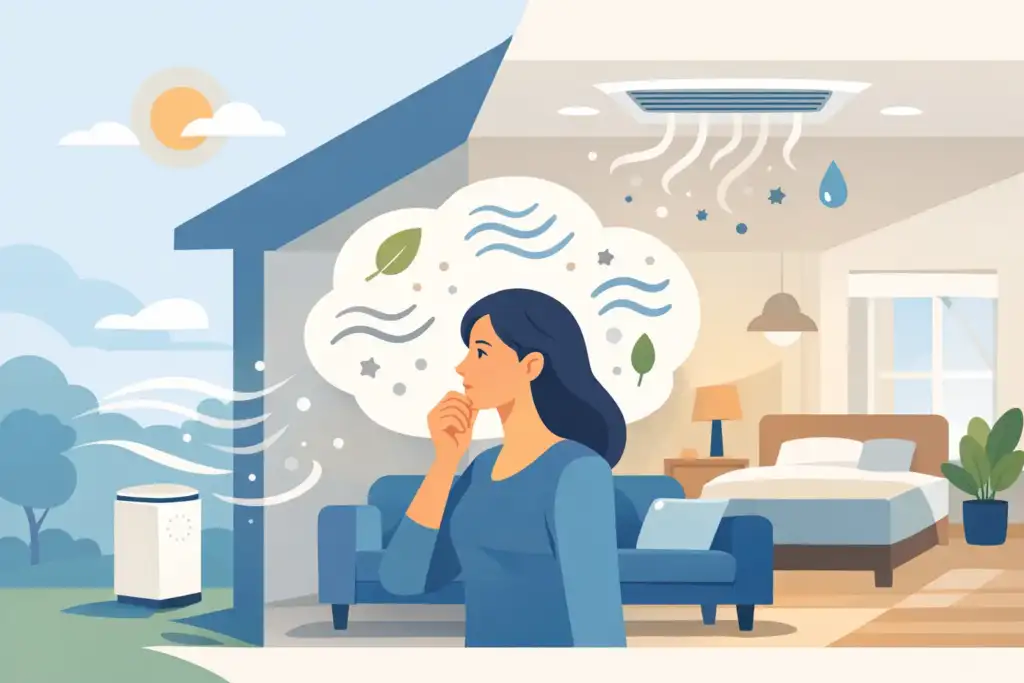
A home can look clean and still have air that feels dusty, stale, or irritating. Indoor air quality is shaped by what moves through your living spaces every day: dust, pet dander, outdoor pollen, cooking residue, moisture, cleaning products, and the condition of your ventilation system. When that system is not moving air well or has not been maintained, those everyday particles can become much more noticeable.
For homeowners, the goal is not a perfectly particle-free house. That is not realistic. The goal is a cleaner, safer, more comfortable home with good airflow and fewer hidden buildup problems. Knowing what to watch for can help you decide when simple housekeeping is enough and when it is time to have your ducts, dryer vent, or chimney professionally cleaned.
Signs Your Indoor Air Quality Needs Attention
Your home often gives you practical clues before a ventilation issue becomes a larger problem. Dust that returns quickly after cleaning, rooms that feel stuffy, and weak airflow from certain vents may point to a system that needs attention. A persistent musty or burnt smell deserves attention as well, especially if the source is unclear.
Allergy-like discomfort can be another signal, although it does not automatically mean your air ducts are the cause. Seasonal pollen, pets, humidity, carpeting, and ordinary household dust can all play a role. If symptoms are mainly worse indoors or in a particular room, it is worth checking for obvious dust buildup, moisture concerns, clogged filters, or poor ventilation.
Take note when your HVAC system seems to run longer than usual, when supply vents have visible dust around them, or when some rooms receive noticeably less conditioned air. These can be comfort and efficiency issues, not just cleanliness concerns. A professional inspection can help separate a duct-cleaning need from an HVAC repair, insulation issue, or thermostat problem.
What Affects Air Quality Inside a Home?
Indoor air is affected by more than the dust you can see. Each time someone enters the home, opens a window, cooks dinner, takes a shower, or runs the dryer, the air changes a little. In Northern Virginia, Washington, D.C., and Maryland, humid summers, pollen-heavy seasons, and temperature swings can make those changes more noticeable.
Dust, Dander, and Outdoor Particles
Dust is a mix of many ordinary materials, including skin cells, fabric fibers, soil, and outdoor particles brought in on shoes and clothing. Pet dander and pollen can add to the load. Your HVAC filter captures some airborne material, but a filter cannot do its job well when it is overdue for replacement or improperly fitted.
Regular vacuuming with a quality filter, wiping hard surfaces, washing bedding, and changing HVAC filters on schedule all make a meaningful difference. These steps are especially useful when a household has pets, children, or family members sensitive to seasonal allergens.
Moisture and Musty Odors
Moisture is one of the biggest threats to a fresh-feeling home. Bathrooms, laundry rooms, basements, kitchens, and poorly ventilated areas are common trouble spots. Exhaust fans should move humid air outside, not merely make noise. If a room stays damp long after a shower or if you notice repeated condensation, the ventilation setup may need to be checked.
A musty odor should not be covered with fragrance. Find the source first. It may be a small plumbing leak, a wet building material, an overfull humidifier, or insufficient exhaust. Addressing moisture promptly protects both the home and the people living in it.
Ventilation Systems That Need Maintenance
Air ducts are designed to deliver heated and cooled air throughout the home. Over time, they can collect dust and debris, particularly near registers and return vents. Renovation work, pet hair, long gaps between maintenance, and a poorly maintained filter can increase buildup.
Professional air duct cleaning is most useful when there is visible accumulation, debris from construction, signs of pests, restricted airflow related to buildup, or a clear need for a cleaner ventilation system. It is not a substitute for correcting mold, moisture, or mechanical HVAC problems. A trustworthy provider should explain what they see, recommend only the work that makes sense, and show the completed results.
Practical Steps for Better Air Quality at Home
Small routines protect your indoor environment between professional services. Start with the HVAC filter. Check its size, fit, and recommended replacement schedule. A more restrictive filter is not always better if your system is not designed for it, so follow the equipment manufacturer’s guidance or ask an HVAC professional.
Keep supply and return vents clear of furniture, rugs, and storage bins. Closing too many vents can also disrupt airflow and place unnecessary strain on the system. In bathrooms and kitchens, use exhaust fans during and after moisture-producing activities. If outdoor conditions are favorable, opening windows briefly can help refresh the home, but this may not be the best choice on high-pollen days or when outdoor air is smoky or humid.
For cleaner everyday air, focus on the sources. Use a kitchen range hood while cooking, avoid smoking indoors, and choose cleaning products with milder odors when possible. A portable air cleaner may help in a bedroom or other frequently used area, particularly during allergy season. It works best as part of a larger plan, not as a replacement for cleaning or ventilation maintenance.
Do Not Overlook the Dryer Vent
A dryer vent is not part of your HVAC ductwork, but it has a direct connection to home safety and indoor comfort. Each load of laundry produces lint and moisture. The lint screen catches a lot, but not all of it. Over time, lint can build up in the vent line and at the exterior vent cap.
A clogged dryer vent can cause longer drying times, excessive heat, a hot laundry room, or a burning smell. More seriously, lint buildup is a known fire risk. Cleaning the lint screen after every load is essential, but it does not replace professional dryer vent cleaning. The full vent path needs periodic attention, especially in homes with long or sharply routed vent lines.
If clothes need multiple cycles to dry, do not assume you need a new dryer. Have the vent checked first. Restoring proper exhaust flow may improve performance while reducing unnecessary energy use and fire risk.
Chimney Cleaning Also Supports a Safer Home
For homes with wood-burning fireplaces, chimney maintenance matters before the first cold-weather fire. Soot, creosote, nesting material, and other obstructions can affect draft and create safety concerns. A chimney that does not draft properly may send smoke back into the room instead of safely outside.
A professional chimney cleaning and inspection helps identify buildup and visible concerns before regular fireplace use. The right schedule depends on how often you use the fireplace, the type of fuel burned, and the condition of the chimney. If you smell smoke when the fireplace is not in use, see stains around the firebox, or notice an unusual draft, schedule an evaluation rather than waiting for winter.
What Professional Cleaning Should Look Like
Home maintenance should never feel like a mystery. When you schedule ventilation cleaning, ask what areas are included, how the work will be performed, and whether the company will document the results. Clear, upfront pricing and before-and-after photos or video help you understand the condition of your system and the work completed.
Professional technicians should protect your home, arrive prepared, and explain any findings in plain language. They should not rely on scare tactics or promise that a cleaning will solve every health or HVAC concern. Good service is specific: cleaner ducts when ducts need cleaning, improved dryer exhaust when lint is removed, and a cleaner chimney when soot and creosote are properly addressed.
Delight Home Air Cleaning provides local homeowners with careful air duct, dryer vent, and chimney cleaning focused on visible results, safer airflow, and respectful service. If your home has been feeling dusty, stuffy, or slow to dry laundry, a straightforward inspection can give you a clearer next step.
A fresher home often starts with one simple decision: pay attention to the systems working behind the walls, then maintain them before a small buildup becomes a bigger inconvenience.
One thought on “Indoor Air Quality: What Your Home Is Telling You”
Comments are closed.